
Home
Shop

Hot deals just for you this weekend

Smart ID Card Printer A Must Have for Schools, Colleges & Offices

     In today’s fast-paced, security conscious world, having a simple ID card is no longer enough. Smart ID card printer is becoming essential for organizations that care about safety, professionalism, and operational efficiency.

From schools to corporate offices, smart ID cards provide more than just identification – they offer access control, attendance tracking, and even cashless payments. At HITECH, we’ve been empowering institutions with ID card printing solutions across India since 2006.

Let’s dive into why smart ID card printing is a must-have for modern institutions.

What is Smart ID Card Printer?

Smart ID card printing involves creating identity cards with embedded technology such as barcodes, magnetic strips, RFID chips, or contactless smart chips. These cards can store data, communicate with readers, and perform automated tasks like entry logging or canteen billing.

The printing is done using specialized ID card printers like Evolis, Zebra, and Datacard, which ensure high-quality prints and secure encoding.

How Does Smart ID Card Printer Work?

Here’s how the process flows:
Design the Card: Customize the layout with name, photo, department, and branding.
Data Encoding: Encode unique info using RFID or magnetic strip as per system integration needs.
Card Printing: Use a high-quality PVC ID card printer with lamination and security features.
Integration: Connect the card to your access control, HR, or attendance system.

The result? A multifunctional card that goes far beyond basic ID purposes.

Key Features of Smart ID Cards

Photo & Text Personalization
RFID/NFC Contactless Technology
Barcode or QR Code Integration
Magnetic Strip Encoding
Tamper-Proof Security Elements
Long-lasting PVC Material with Lamination

Benefits of Smart ID Card Printer

1. Enhanced Security
Only authorized personnel can access sensitive areas. Perfect for exam halls, labs, server rooms, and office cabins.

2. Professional Appearance
Uniform, branded ID cards enhance your school’s or company’s image and credibility.

3. Automated Attendance
Smart ID cards integrated with biometric or RFID systems allow seamless student/staff attendance tracking.

4. Cashless Transactions
Enable payments in cafeterias or libraries using prepaid smart cards especially useful in schools and colleges.

5. Data Tracking & Reporting
Track movements, attendance logs, and facility usage in real-time for better administration.

6. Durability & Cost Savings
Printed on high-quality PVC, smart ID cards last for years and reduce the need for replacements.

Industry Applications in India

Schools: Schools uses smart cards for attendance, library access, and school bus tracking.
Colleges & Universities: Institutes uses smart cards for canteen payments, lab access, and identity management.
Corporate Offices: Tech companies and banks use smart ID cards for employee access, HR integration, and secure printing.
Hospitals: Hospitals use RFID-enabled cards for staff access and patient identification in sensitive zones.
Government Offices: Cards are used for visitor control, building access, and digital record linking.

Frequently Asked Questions (FAQs)

1. What’s the difference between a normal and a smart ID card?
Smart ID cards come with tech features like chips or RFID tags, enabling automated access, tracking, and usage logs.

2. Can we print these cards in-house?
Yes! With a professional printer like Evolis Primacy2, you can print secure, high-quality smart ID cards on demand.

3. How secure are smart ID cards?
They’re highly secure. Features like encryption, tamper-proof printing, and controlled encoding ensure safety.

4. Do smart cards work with biometric systems?
Yes. Smart cards are often integrated with biometric readers for dual-layer authentication.

5. What’s the cost of setting up a smart ID system?
Costs vary based on card type, printer, and software. At HITECH, we offer scalable packages tailored to your needs.

Conclusion

Smart ID card printing is no longer a luxury  it’s a strategic upgrade for any forward-thinking school, college, or office. From enhancing safety to streamlining operations, the benefits are undeniable.

At HITECH, we offer a wide range of ID card printers, consumables, and AMC support to ensure your ID system is always running smoothly.

👉 Ready to modernize your ID system? Contact Us Today or explore our ID Card Printer Collection.

Why AMC Services Are a Smart Investment for Office Machines

     Running a business means relying on office machines like Photocopiers, Printers, Id Card Printers, Laptops, Desktops Projectors, Paper Shredders. When they stop working, your productivity suffers. That’s where AMC services for office machines come into play an affordable, reliable solution to ensure everything runs smoothly year round.

At Hi Tech Enterprises, we’ve been providing Annual Maintenance Contracts (AMC) since 2006 to schools, Colleges, Shipping Companies, Hotels, Pharmaceuticals,   hospitals, banks, and businesses across India. Let’s explore why AMC is a smart investment.

What are AMC Services for Office Machines?

AMC, or Annual Maintenance Contract, is a service agreement between your business and a service provider to maintain and repair your office equipment regularly. Instead of calling a technician only when something breaks, you get scheduled check-ups, preventive maintenance, and quick repairs – all covered under one plan.

This proactive approach helps you avoid sudden breakdowns and extends the life of your machines.

How Do AMC Services Work?

Here’s how a typical AMC works:

  • Initial Inspection: A technician inspects your machine’s condition before starting the contract.
  • Scheduled Maintenance: Regular service visits (monthly/quarterly) to clean, update firmware, and check for wear.
  • Breakdown Support: Fast response and repair in case of malfunction or error.
  • Replacement of Parts: Some AMCs include spare parts; others are chargeable separately.
  • Reporting: Detailed service reports help track machine health and usage trends.

At Hi Tech Enterprises, our AMC packages are customizable – from basic service-only plans to comprehensive plans including parts and priority support.

Key Features of AMC Services

  • Preventive Maintenance to avoid costly breakdowns
  • Timely Repairs for minimal downtime
  • Trained Technicians with All brand-authorized expertise
  • Service History Tracking for performance insights
  • Affordable Annual Pricing with no surprise costs
  • On-site Support across India for customer convenience

Benefits of AMC for Office Machines

  1. Cost Savings:
    Paying per repair is expensive. AMC offers predictable yearly costs that are usually far less than emergency service charges.
  2. Increased Machine Lifespan:
    Regular servicing reduces wear and tear, keeping machines in optimal condition for longer.
  3. Less Downtime:
    With proactive checks, most issues are caught early, avoiding last-minute halts during critical work.
  4. Priority Service:
    AMC customers are given top priority during service calls – no long waiting periods.
  5. Peace of Mind:
    Focus on your core business without worrying about equipment failures. Let the experts handle it.

Industry Use Cases in India

Let’s look at real-world examples where AMC services add value:

  • Schools & Colleges: Regular maintenance of projectors, printers, and copiers ensures uninterrupted teaching and exam work. Institutions like Kendriya Vidyalayas and private CBSE schools benefit from predictable AMC service cycles.
  • Hospitals & Clinics: Patient registration printers and ID card systems must work 24/7. AMCs help avoid chaos during busy OPD hours.
  • Banks: Document printing and scanning machines require peak uptime for customer service. Banks like SBI and cooperative banks often opt for AMC to avoid disruptions.
  • Manufacturing Units: ID card printers and label printers are used extensively in operations and logistics. AMC ensures no delays in workforce or material management.
  • Government Offices: Whether it’s document processing or biometric machines, AMC ensures accountability and performance for smooth administration.

Frequently Asked Questions (FAQs)

  1. What types of machines are covered under AMC?
    We cover photocopiers, printers, ID card printers, projectors, shredders, and laptops from brands like Canon, HP, Riso, Samsung, Panasonic, Brother, Ricoh, Evolis, and more.
  2. Is AMC available only after warranty ends?
    No. AMC can be opted for even during the warranty period for extra services like priority support, additional visits, etc.
  3. Are parts included in the AMC cost?
    It depends on the type of contract. We offer both comprehensive (with parts) and non-comprehensive (service only) AMC packages.
  4. How do I raise a service request under AMC?
    Simply call our service helpline or fill out our online service form. Our team will respond within 24 hours.
  5. Can AMC be customized for multiple machines across locations?
    Yes. We provide centralized AMC for companies with multiple offices or branches across India.

Conclusion

In today’s fast-paced business world, downtime is costly. AMC services for office machines aren’t just about fixing problems – they’re about preventing them, saving money, and ensuring consistent productivity.

Whether you run a school, hospital, government office, or enterprise, investing in AMC is a smart, strategic move.

👉 Explore our customized AMC plans today at HITECH or call us for a free consultation. Let’s keep your office running, smoothly and smartly.

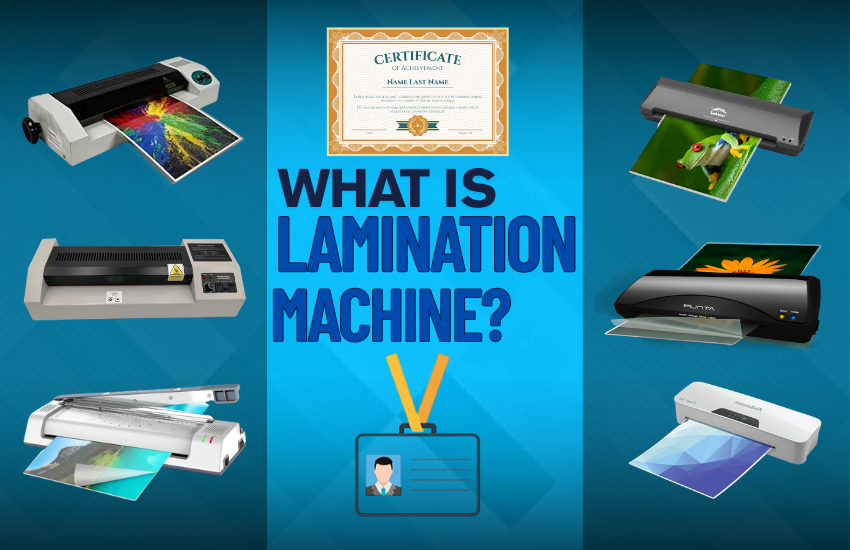
Document Lamination Machines in India Complete Protection Guide

     In India’s humid climate, important documents often face damage from moisture, dust, and frequent handling. A document lamination machine provides the perfect solution by sealing papers in protective plastic films, preserving them for years.

From school ID cards to office certificates and medical reports, laminators are becoming essential across sectors. 

What is a Document Lamination Machine?
lamination machine bonds plastic film to documents using heat or pressure, creating a durable, waterproof seal.

Types of Lamination Machines

TypeBest ForProsCons
Hot LaminationFrequent use (offices/schools)Strong seal, glossy finishNot heat-sensitive docs
Cold LaminationPhotos, heat-sensitive itemsNo heat damageLess durable
Roll LaminatorsBulk lamination (posters, banners)High speed, wide formatExpensive
Pouch LaminatorsIDs, certificates (home/office)Compact, affordableLimited to pouch sizes

Pro Tip: For Indian schools, Fellowes Pixel ‎A4 are ideal for ID cards and certificates.

How Does a Lamination Machine Work?

Step-by-Step Process
Insert Document – Place in a laminating pouch or between film rolls.
Heat/Pressure Application – Hot laminators melt adhesive; cold laminators use pressure.
Sealing – Edges are sealed airtight.
Cooling – Forms a rigid, protected layer.

Key Components
Heating Rollers – For hot lamination (120°C–180°C).
Pressure Rollers – For cold lamination.
Adjustable Temperature – Prevents overheating.

Hot vs. Cold Lamination
Hot: Durable but unsuitable for photos/thermal paper.
Cold: Safe for all materials but less sturdy.

Benefits of Lamination
Water & Dustproof – Protects against humidity/monsoons.
Tear-Resistant – Ideal for frequently handled documents.
Professional Look – Glossy/matte finishes enhance appearance.
Cost-Effective – Avoids reprinting damaged docs.
Versatile – Works on paper, photos, fabric, and more.

Industry Applications in India

Educational Institutions
Laminating ID cards, certificates, and exam materials.
Protecting library books and flashcards from wear and tear.
Creating durable classroom charts and visual aids.

Corporate Offices
Preserving business cards, training manuals, and contracts.
Laminating employee badges and access cards.
Securing important company policies and notices.

Healthcare & Hospitals
Waterproofing medical reports and prescriptions.
Laminating patient ID cards for long-term use.
Protecting frequently referenced health charts.

Government & Legal Sector
Preserving official records and land documents.
Laminating identity proofs and licenses.
Securing court evidence and affidavits.

Banking & Finance
Protecting loan agreements and account statements.
Laminating cheque copies for record-keeping.
Creating durable customer service desk guides.

Retail & Small Businesses
Waterproofing price tags and menu cards.
Laminating promotional posters and signage.
Preserving loyalty cards and discount coupons.

Printing & Stationery Shops
Offering lamination services to customers.
Bulk laminating wedding invites and certificates.
Protecting artwork and photo prints.

FAQs (Common Questions)

Q1. Can I laminate a passport or currency note?
A: No, Laminating government-issued IDs/currency is illegal in India.

Q2. What’s the cost of a laminator in India?
A: ₹2,000 (basic) to ₹50,000+ (commercial roll laminators).

Q3. Which thickness (microns) is best?
A: 75-125μ for cards, 250μ+ for posters.

Conclusion
Lamination machines are crucial for protecting valuable documents in India’s challenging climate. Whether for schools, offices, or businesses, the right laminator ensures longevity and professionalism.

Ready to preserve your documents? Browse top lamination machines or contact HITECH for expert advice!

Refurbished Laptops in India: Are They Worth It?

     Refurbished laptops are gaining popularity in India as a smart, budget-friendly alternative to brand-new devices. These laptops undergo thorough testing, repairs, and quality checks to ensure they perform like new, making them ideal for remote work, online education, gaming, and everyday computing.

What is a Refurbished Laptop?
A refurbished laptop is a pre-owned device that has been restored to near-new condition by manufacturers or certified sellers. These laptops may have been returned due to minor defects, open-box purchases, or lease returns. Unlike used laptops, refurbished models are professionally inspected, repaired, and often come with warranties.

How Does a Refurbished Laptop Work?
Refurbished laptops function just like new ones but at a fraction of the cost.

Here’s how they work:
Inspection & Repair – Defective parts (battery, keyboard, screen) are replaced.
Software Reset – OS is reinstalled (Windows/Linux/macOS), and bloatware is removed.
Performance Testing – CPU, RAM, storage, and GPU are tested for optimal performance.
Cosmetic Refurbishment – Scratches/dents are repaired, and laptops are cleaned.
Certification – Sold with a warranty (6-12 months) by authorized sellers.

Key Components of a Refurbished Laptop
Processor: Intel Core i3/i5/i7 or AMD Ryzen (tested for performance)
RAM: 4GB to 16GB (upgradable in some models)
Storage: SSD (128GB-1TB) for faster boot times
Battery: Replaced or recalibrated for better life (4-8 hours)
Display: HD/Full HD/IPS screens (no dead pixels)

Benefits of Buying a Refurbished Laptop
Cost-Effective – 30-50% cheaper than new laptops.
Eco-Friendly – Reduces e-waste by reusing electronics.
Reliable Performance – Professionally tested & certified.
Warranty Included – Most sellers offer 6-12 months warranty.
Upgradable – RAM and storage can often be expanded.

Applications of Refurbished Laptops in India
Students & Online Learning – Affordable laptops for coding, research, and e-learning.
Remote Work & Business – Budget-friendly options for professionals.
Gaming & Entertainment – High-performance refurbished gaming laptops.
Small Businesses & Startups – Cost-efficient for POS, inventory, and admin tasks.
IT & Software Testing – Reliable machines for developers at lower costs.

FAQs About Refurbished Laptops in India

1. Are refurbished laptops reliable?
Yes, if purchased from certified sellers. They undergo strict quality checks.

2. What is the lifespan of a refurbished laptop?
With proper care, they last 3-5 years, similar to new laptops.

3. Do refurbished laptops come with a warranty?
Most certified refurbished laptops come with a 6-12 month warranty.

4. Is a refurbished laptop better than a new budget laptop?
Often yes—refurbished laptops offer better specs (i5/i7 processors, SSDs) at the price of a new budget laptop (Celeron/Pentium).

5. Where to buy the best-refurbished laptops in India?
Trusted sources: Offline Certified Sellers
Amazon Renewed
Flipkart Assured Refurbished
Dell/HP/Lenovo Official Refurbished Stores

Conclusion
Refurbished laptops are a smart, economical, and sustainable choice for students, professionals, and businesses in India. By choosing a certified refurbished laptop, you get high performance at lower prices with warranty protection.

Ready to Buy? Explore Top Refurbished Laptops or Get Expert Advice today!

Paper Shredders in India Guide to Secure Document Disposal

   In today’s data-driven world, paper shredders have become essential for protecting sensitive information in Indian offices, banks, and government agencies. With rising concerns about data privacy and identity theft, securely destroying confidential documents is no longer optional—it’s a necessity.

What is a Paper Shredder?
paper shredder is a machine that cuts paper into small, unreadable pieces to prevent unauthorized access to confidential information.

Types of Paper Shredders

TypeSecurity LevelBest For

Strip-Cut

BasicGeneral office documents

Cross-Cut

Medium

Financial records, invoices

Micro-Cut

High

Sensitive data, legal documents

IndustrialHeavy-duty

Bulk shredding (banks, govt.)

How Does a Paper Shredder Work?
Step-by-Step Process
Feed Paper – Insert documents into the shredder slot.
Cutting Mechanism – Blades slice paper into strips or confetti.
Collection – Shredded pieces drop into a waste bin.

Key Components
Motor – Powers the cutting blades
Blades – Sharp steel cutters for efficient shredding
Safety Sensors – Auto-stop when fingers or objects are detected

Strip-Cut vs. Cross-Cut vs. Micro-Cut
Strip-Cut: Fast but less secure (long strips).
Cross-Cut: More secure (small confetti pieces).
Micro-Cut: Highest security (tiny fragments).

Benefits of Using a Paper Shredder
Prevents Data Breaches – Securely destroys confidential info.
Compliance with Indian Laws – Meets data protection regulations.
Reduces Clutter – Keeps workspaces organized.
Eco-Friendly – Shredded paper is easier to recycle.
Cost Savings – Eliminates third-party shredding costs.

Industry Applications in India

Corporate Offices
Securely disposing of financial reports and client contracts.
Destroying outdated employee records and salary slips.
Maintaining compliance with corporate data policies.

Banking & Finance Sector
Shredding customer account statements and loan applications.
Disposing of cheque copies and KYC documents securely.
Preventing fraud by destroying sensitive transaction records.

Government & Legal Sector
Protecting classified information from leaks.
Securely disposing of court documents and affidavits.
Complying with RTI and data privacy laws.

Educational Institutions
Destroying old exam papers and answer sheets.
Securing student admission forms and personal data.
Preventing misuse of confidential academic records.

Healthcare & Hospitals
Disposing of patient medical reports and prescriptions.
Protecting sensitive health data under HIPAA guidelines.
Securely shredding outdated insurance claims.

Retail & Small Businesses
Destroying customer invoices and payment details.
Securely disposing of expired warranty cards.
Preventing data theft from old receipts and orders.

Printing & Publishing Industry
Managing defective prints and misprinted drafts.
Securely disposing of unpublished manuscripts.
Recycling paper waste efficiently.

FAQs (Common Questions)

Q1. Which shredder is best for home use in India?
A: A cross-cut shredder is ideal for balancing security and cost.

Q2. Can shredders handle CDs or credit cards?
A: Yes! Multi-purpose shredders can destroy CDs, cards, and staples.

Q3. How much does a shredder cost in India?
A: ₹2,000 (basic) to ₹50,000+ (industrial).

Conclusion
Paper shredders are critical for data security in India’s digital age. Whether for offices, banks, or homes, the right shredder prevents identity theft and ensures compliance.

Need a shredder? Browse top models or contact HITECH for expert advice!

Document Scanners in India: The Complete Guide to Digitizing Your Workflow for Smart Office

     In today’s digital era, document scanners have become essential tools for businesses, educational institutions, and government offices across India. With the rise of paperless workflows and digital record-keeping, scanners help convert physical documents into secure, searchable, and easily shareable digital files.

From small businesses digitizing invoices to hospitals managing patient records, document scanners improve efficiency, reduce storage costs, and enhance security. 

What is a Document Scanner?
document scanner is an electronic device that captures images or text from physical documents and converts them into digital formats(PDF, JPEG, Tiff etc.). Unlike traditional photocopiers, scanners store files electronically, making them easier to edit, share, and archive.

Types of Document Scanners
How Does a Document Scanner Work?

Step-by-Step Scanning Process

Document Placement– Insert paper into a sheet-fed scanner or place it on a flatbed.
Image Capture– A sensor (CIS or CCD) scans the document line by line.
Image Processing– Software enhances clarity, removes shadows, and adjusts colors.
OCR (Optical Character Recognition)– Converts scanned text into editable/searchable digital text.
Output– Saves files in PDF, JPEG, or cloud storage (Google Drive, Dropbox).

Traditional vs. Smart Scanners
Traditional Scanners – Require a computer connection.
Smart Scanners – WIFI-enabled, direct cloud uploads 

Benefits of Using a Document Scanner
Faster Document Management– Scan 50+ pages per minute vs. manual filing.
Reduced Paper Clutter– Save up to 60% office space by going digital.
Enhanced Security – Password-protect sensitive files (e.g., Aadhaar, PAN scans, Confidential Agreements).
Searchable Text (OCR) – Instantly find keywords in scanned contracts.
Eco-Friendly – Cuts paper waste, supports India’s Digital India mission.

Industry Applications in India

Corporate & Business
Automates GST invoice processing with 30+ page/minute scanners for faster compliance
Enables secure digital archiving of employee records with password-protected PDFs
Facilitates paperless board meetings by scanning contracts for e-signatures

Education & Research
Digitizes rare library books without damage using non-contact overhead scanners
Streamlines exam paper evaluation with auto-feeding answer sheet scanners
Creates accessible study materials by converting printed content to searchable PDFs

Healthcare
Securely scans patient records with HIPAA-compliant document management systems
Digitizes prescription histories using medical-grade OCR technology
Archives lab reports with barcode recognition for easy retrieval

Government & Legal
Preserves land records using heavy-duty archival scanners (600 DPI + resolution)
Digitizes court evidence with tamper-proof audit trails
Processes RTI applications faster with bulk document scanning

Banking & Finance
Accelerates account opening with auto-cropping KYC document scanners
Processes cheque clearance using MICR-enabled scanners
Digitizes loan applications with smart page detection technology

Retail & Ecommerce
Manages GST invoices efficiently with cloud-connected scanners
Digitizes warranty cards using mobile scanning apps
Archives vendor contracts with auto-filing metadata tagging

FAQs (Common Questions)

Q1. Which scanner is best for home use in India?
A: Portable scanners (like Xerox Mobile Scanner

Q2. Can I scan directly to WhatsApp or Google Drive?
A: Yes! WIFI scanners support cloud uploads.

Q3. What’s the lifespan of a scanner?
A: 5–10 years with proper maintenance (clean rollers, avoid dust).

Conclusion
Document scanners are no longer a luxury but a necessity for Indian businesses and institutions. Whether you need to archive legal documents, streamline hospital records, or manage school paperwork, the right scanner boosts productivity and cuts costs.

Ready to go paperless? Browse India’s top-rated document scanners or contact HITECH for a free consultation!

The Ultimate Guide to Video Projector How They Work, Benefits, and Applications in India

The Ultimate Guide to Video Projector: How They Work, Benefits, and Applications in India

Introduction
In today’s digital era, video projectors have become an essential tool for various industries, from education and business to entertainment and events. A video projector allows users to display large, high-quality images on a screen or wall, making it a preferred choice over traditional displays in many scenarios. With increasing affordability and technological advancements, projectors are now widely used in Indian households, offices, and institutions.

If you’re looking for a comprehensive guide on video projectors, this blog will cover everything from how they work to their benefits and industry applications in India.

I. What is a Video Projector?
A video projector is an electronic device that projects visual content onto a large screen or wall using a light source and optical system. It is commonly used for home entertainment, business presentations, classroom teaching, and event screenings.

Types of Video Projectors:
LCD (Liquid Crystal Display) Projectors: Use liquid crystal panels to produce bright and vibrant images.
DLP (Digital Light Processing) Projectors: Use microscopic mirrors to reflect light and create smooth visuals.
LED Projectors: Energy-efficient projectors with longer lifespan and compact designs.
Laser Projectors: High-end projectors offering superior brightness and longevity.

Common Use Cases:
Home theatres
Office presentations
Smart classrooms
Live events and weddings
Digital advertising displays

2.How Does a Video Projector Work?
A video projector operates by taking an input signal from a media device (such as a laptop, Blu-ray player, or gaming console) and converting it into a projected image.

Key Components:
Light Source: Provides the necessary brightness (LED, lamp, or laser).
Display Panel: Uses LCD or DLP technology to process images.
Lens System: Focuses and magnifies the image onto the screen.
Projection Surface: Reflects the image for audience viewing.

Working Mechanism:
The light source generates brightness.
The display panel processes images from the input device.
The lens system projects the processed image onto the screen.
The image appears enlarged and visible to viewers.

3. Applications of Video Projectors (Industry-wise Use Cases in India)
Education Sector:
Smart classrooms in schools and colleges
Online coaching and e-learning platforms
Seminar and conference presentations

Corporate Sector:
Boardroom meetings and presentations
Training sessions for employees
Virtual conferencing

Entertainment & Home Theatre:
Movie screenings with a cinematic experience
Gaming with immersive visuals
Watching live cricket matches on a big screen

Events & Weddings:
Live streaming and virtual participation
Digital stage backgrounds and decoration mapping
LED wall alternative for large gatherings

Retail & Advertising:
Digital signage for promotions
Showroom product presentations
Mall advertising and display boards

Healthcare Industry:
Medical training and simulations
Explaining procedures to patients
Virtual medical consultations

Religious & Spiritual Centers:
Temple and prayer hall projections
Large-screen devotional content and bhajans
Live streaming of religious events

Government & Public Sector:
Awareness campaigns and public presentations
Government meetings and seminars
Training programs for officials

Gaming & Esports:
Esports tournaments with large-scale visuals
Arcade and gaming centers with projectors

Hospitality Industry:
Hotel and resort entertainment lounges
Business conference rooms in hotels
Guest engagement through multimedia displays

4. Benefits of Using a Video Projector:
Large-Screen Viewing: Enjoy visuals on a bigger display at a lower cost than large LED TVs.
Portability: Compact and easy to transport for different locations.
Cost-Effective: More affordable than large display panels.
High Engagement: Ideal for education, business, and entertainment purposes.
Versatility: Useful across multiple industries and applications.

5. FAQs (Common Questions & Answers)
1.How much does a video projector cost in India?
Projectors range from ₹10,000 for basic models to ₹2,00,000+ for high-end options.

2. Which is better: a projector or a large TV?
A projector is ideal for large-screen viewing and affordability, while a TV offers better brightness and ease of use.

3. What is the ideal screen size for a home projector?
A 100-150 inch screen size is suitable for home theatres.

4. Do projectors work in daylight?
Yes, but they require high brightness (3,000+ lumens) for clear visibility in daylight conditions.

5. How to maintain a projector for long-lasting performance?
Clean the lens regularly.
Avoid overheating by ensuring proper ventilation.
Use original accessories for durability.

Conclusion
Video projectors have revolutionized the way we experience entertainment, education, and business presentations. With their affordability and versatility, they are becoming increasingly popular in India. Whether you need a projector for home use, office presentations, or large-scale events, choosing the right model based on your requirements is crucial.

Call to Action (CTA)
Looking for the best video projectors in India? Hi Tech Enterprises offers a wide range of high-quality projectors for different needs. Contact us today for expert recommendations, product demos, and the best deals on projectors!

Cash Counting Machines The Smart Solution for India’s Cash Driven Economy

In a country like India, where cash remains a dominant mode of transaction, managing large volumes of currency notes efficiently is a challenge for businesses and institutions. From retail stores to Blue chip companies the need for accurate, fast, and secure cash handling has never been greater. Enter cash counting machines the ultimate solution for India’s cash-driven economy.

This blog explores how cash counting machines are transforming cash management in India, addressing common pain points, and offering unparalleled benefits across industries.

What is a Cash Counting Machine?
A cash counting machine is an electronic device designed to count currency notes quickly and accurately. It uses advanced technologies like friction counting, magnetic ink detection, and UV/IR sensors to ensure precision and detect counterfeit notes.

Key Features of Cash Counting Machines
1. Speed: Mix Cash/ Value  Counts thousands of notes in minutes.
2. Accuracy: Eliminates human errors in counting
3. Counterfeit Detection: Identifies fake notes using UV, IR, and magnetic sensors.
4. Ease of Use: Simple operation, even for non-technical users.

How Does a Cash Counting Machine Work?
Cash counting machines use a combination of technologies to ensure accurate and efficient cash handling:

1. Friction Counting
How it works: Rollers separate and count each note as it passes through the machine.
Best for: High-speed counting of large volumes of cash.

2. Magnetic Ink Detection
How it works: Detects magnetic patterns in currency notes (e.g., RBI security features).
Best for: Verifying the authenticity of Indian currency notes.

3. UV and IR Detection
How it works: Uses ultraviolet and infrared light to identify security features like watermarks and security threads.
Best for: Detecting counterfeit notes, especially in high-value transactions.

Example Scenario
Imagine a busy retail store in Mumbai during the festive season. With long queues and high cash volumes, manually counting cash is time-consuming and prone to errors. A cash counting machine can streamline this process, ensuring accurate counts and detecting fake notes in seconds.

Applications of Cash Counting Machines in India
Cash counting machines are transforming cash management across various sectors in India. Here’s how they’re making a difference:

  1. Retail Sector
    In bustling retail environments, manual cash handling often leads to delays and errors, especially during peak hours. Cash counting machines streamline transactions, ensuring quick and accurate counting at checkout counters. They also simplify end-of-day reconciliation, saving time and reducing stress for staff.
  1. Banking and Financial Institutions
    Banks and financial institutions deal with high volumes of cash daily, making them vulnerable to long queues and counterfeit notes. Cash counting machines accelerate cash deposits and withdrawals while incorporating advanced counterfeit detection features to safeguard transactions.
  1. Hospitality Industry
    Hotels, restaurants, and event venues often handle large cash transactions, which can be tedious to manage manually. These machines automate cash reconciliation, reducing manual effort and ensuring accurate financial records.
  1. Educational Institutions
    During admission periods, educational institutions face chaotic fee collection processes. Cash counting machines ensure accurate and efficient fee collection, minimizing errors and streamlining operations.
  2. Small Businesses and Startups
    Small businesses, such as local shops and pharmacies, often lack the resources for dedicated cash handling staff. Affordable cash counting machines simplify cash management, allowing business owners to focus on growth and customer service.
  3. Retail Sector
    In bustling retail environments, manual cash handling often leads to delays and errors, especially during peak hours. Cash counting machines streamline transactions, ensuring quick and accurate counting at checkout counters. They also simplify end-of-day reconciliation, saving time and reducing stress for staff.

Benefits of Cash Counting Machines for Indian Businesses

1. Time Efficiency
Counts thousands of notes in seconds, saving hours of manual work.
Frees up staff to focus on customer service and other tasks.

2. Accuracy and Error Reduction
Eliminates human errors in counting, ensuring precise financial records.

3. Counterfeit Detection
Protects businesses from financial losses due to fake currency, especially with new ₹500 and ₹2000 notes.

4. Improved Financial Management
Simplifies cash reconciliation and reporting, enhancing transparency.

Frequently Asked Questions (FAQ)

1. Are cash counting machines suitable for small businesses?
Yes, affordable models are available for small businesses, making cash handling efficient and error-free.

2. Can these machines detect counterfeit Indian currency?
Absolutely! Advanced machines use UV, IR, and magnetic sensors to detect fake notes.

3. How do I maintain a cash counting machine?
Regular cleaning and servicing ensure longevity. Avoid exposing the machine to dust and moisture.

Conclusion
Cash counting machines are no longer a luxury but a necessity in India’s cash-driven economy. They address critical pain points like manual errors, counterfeit currency, and time-consuming cash handling, offering unmatched benefits across industries.

Ready to enhance your cash handling processes? Contact us today for a demo or to learn more about our cash counting solutions!


Interactive LED Touchscreens Transforming Learning in Educational Institutions

INTRODUCTION:-
In today’s dynamic educational landscape, interactive LED touchscreens are revolutionizing the way students learn and teachers instruct. These versatile displays offer a dynamic and engaging learning experience, fostering collaboration, participation, and a deeper understanding of complex concepts.

1. What is an Interactive LED Touchscreen?
An interactive LED touchscreen is a large-format display that combines the visual clarity of an LED screen with the touch interactivity of a tablet or smartphone. Users can interact with the displayed content using their fingers or a stylus, allowing for direct manipulation, annotation, and control.

2. How Does an Interactive LED Touchscreen Work?
Interactive LED touchscreens utilize several technologies to enable touch interactivity:
Infrared (IR) Touch: Infrared sensors around the edges of the screen detect touch input by sensing interruptions in the infrared light beams.
Capacitive Touch: A thin, transparent coating on the screen detects touch input through changes in capacitance when a finger or conductive stylus makes contact.

The general process involves:
Display:
The LED screen displays high-resolution images and videos.
Touch Detection: The touch technology senses the user’s touch input.
Input Processing: The touchscreen’s controller processes the touch input and translates it into digital signals.
Computer Interaction: The digital signals are sent to a connected computer or built-in system, which responds to the touch input.
Example: A science teacher uses an interactive touchscreen to display a 3D model of the human heart. Students can interact with the model by rotating it, zooming in on specific parts, and annotating key features directly on the screen.

3. Benefits of Interactive LED Touchscreens in Educational Institutions
1) Dynamic and Visual Learning:
High-resolution displays and multimedia capabilities enhance visual learning and make complex concepts easier to understand.
2)Facilitates Hybrid Learning: Seamlessly integrates with video conferencing and online learning platforms for effective hybrid learning experiences.
3)Versatile Teaching and Learning Tool: Touchscreens can be used for various activities, including presentations, brainstorming, note-taking, and interactive exercises.

Benefits To Educational institutes
1)Collaborative Group Projects: Students can work together on projects, brainstorming ideas, and creating presentations directly on the touchscreen.
2)Digital Whiteboarding and Note-Taking: Teachers and students can use touchscreens as digital whiteboards for brainstorming, note-taking, and diagramming.
3)Assessments and Quizzes: Touchscreens can be used for interactive quizzes and assessments, providing immediate feedback to students.
4)Interactive Lessons and Presentations: Teachers can use touchscreens to deliver engaging lessons, annotate presentations, and conduct interactive exercises.

Conclusion:
Interactive LED touchscreens are transforming the educational experience by creating more engaging, collaborative, and dynamic learning environments. Their versatility and interactive capabilities make them a valuable tool for educators seeking to enhance student learning and prepare them for success

Complete Best Solution In LED Touchscreen for Education Institutes  Contact Us 

Compatible Toner Cartridges: A Cost-Effective Solution for Education Institution & Colleges

INTRODUCTION:-
In today’s educational landscape, Institutes & colleges are constantly seeking ways to optimize resources without compromising quality. One area where significant savings can be achieved is printing. This is where compatible toner cartridges come into play.

1) What is a Compatible Toner Cartridge?
In the world of printing, a compatible toner cartridge is essentially a generic version of the original (OEM) cartridge manufactured by a third-party company. These cartridges are designed to function seamlessly with specific printer models, offering a cost-effective alternative to their brand-name counterparts.

2) How Do They Work?
Compatible toner cartridges are engineered to meet the same specifications as OEM cartridges. They are filled with toner powder, a fine substance that creates the text and images on printed documents. When installed in a compatible printer, these cartridges function just like the original ones, producing high-quality prints.

3) Benefits of Compatible Toner Cartridges for Institutions :-
Institution & colleges, while enjoying greater freedom in curriculum and administration, often operate with tight budgets. Compatible toner cartridges offer a range of benefits tailored to their unique needs:

Significant Cost Savings: Compatible cartridges are significantly cheaper than OEM cartridges, allowing colleges to substantially reduce printing expenses. These savings can be redirected to other crucial areas like :-
1)Upgrading library resources
2)Funding student support services
3)Supporting faculty development

Comparable Print Quality: Reputable manufacturers of compatible toner cartridges adhere to strict quality control standards, ensuring that their products deliver print quality comparable to OEM cartridges. This is vital for maintaining professional standards in
1)Publications .Academic reports
2)Research papers
3)Official Documents
4)Marketing materials

Environmental Friendliness: Many compatible cartridges utilize recycled components, contributing to waste reduction and promoting environmental sustainability—an increasingly important consideration for socially responsible institutions.

No Risk to Printer Warranty: Using compatible toner cartridges does not void the printer’s warranty, provided the cartridges are of good quality and used correctly. This safeguards the college’s investment in printing equipment.

Conclusion:
By opting for compatible toner cartridges, Educational Institution & colleges can effectively manage their printing costs without compromising quality or environmental responsibility. This allows them to allocate resources more efficiently, ultimately enhancing their academic mission and serving their students better.

Back to Top
Product has been added to your cart